
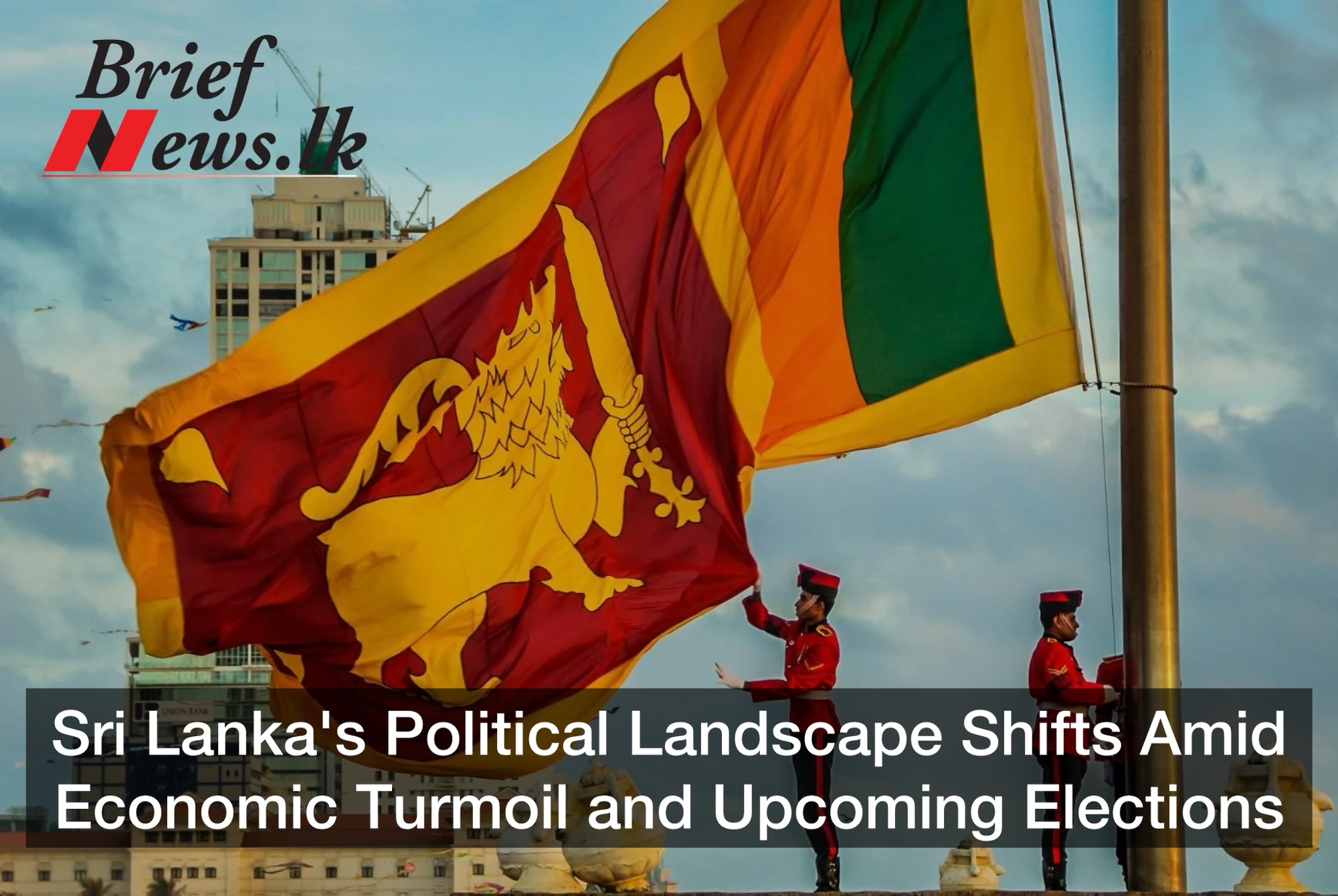
In a country grappling with a tumultuous economic crisis, Sri Lanka’s political scene is rapidly evolving as the nation prepares for the much-anticipated general elections scheduled for early next year. With a backdrop of public discontent, economic recovery efforts, and the rise of new political alliances, the current administration faces mounting pressure to address the needs and grievances of its citizens. This article delves into the latest developments in Sri Lanka’s political landscape, examining the implications for the government and the electorate as they approach a pivotal moment in the nation’s history.
Sri Lanka has been navigating through a severe economic downturn since late 2021, exacerbated by the COVID-19 pandemic, rising commodity prices, and mismanagement of public resources. Inflation rates reached a staggering 70% earlier this year, leading to widespread protests and calls for systemic change. The Rajapaksa family, long dominant in Sri Lankan politics, saw their grip loosen as public resentment grew over their handling of the crisis. This discontent culminated in the resignation of then-President Gotabaya Rajapaksa in July 2022, paving the way for the appointment of his successor, Ranil Wickremesinghe.
In recent months, Wickremesinghe’s administration has focused on stabilizing the economy through negotiations with the International Monetary Fund (IMF) for a $2.9 billion bailout. The deal, reached earlier this year, is expected to provide the much-needed financial support to help Sri Lanka restructure its debt burden and implement critical reforms. However, the administration’s austerity measures have sparked further protests, with citizens demanding immediate relief from soaring living costs.
“While the government’s efforts to secure international aid are commendable, they must also address the urgent needs of the people,” stated Dr. Anushka Silva, a senior political analyst at the Colombo Institute for Social Research. “The public is tired of empty promises. There needs to be a tangible plan that prioritizes the well-being of citizens.”
As the political climate heats up, new parties and coalitions are emerging, keen to capitalize on the public’s desire for change. The Samagi Jana Balawegaya (SJB) party, which has been a significant opposition force, is working to unite various factions dissatisfied with the current government. Meanwhile, the Janatha Vimukthi Peramuna (JVP), a leftist party that has traditionally focused on labor rights, has gained traction among the youth, appealing to their aspirations for a better future.
Amidst these developments, the ruling United National Party (UNP) is preparing to defend its position in the upcoming elections, emphasizing its achievements in securing foreign aid and initiating reforms. Wickremesinghe, who is also the UNP’s leader, expressed confidence in his administration’s ability to navigate the crisis during a recent rally in Colombo. “We are committed to rebuilding our economy and restoring faith in our democratic institutions. Together, we will rise from these challenges,” he declared to an audience of supporters.
However, as political tensions rise, questions remain regarding the integrity of the electoral process. Observers have raised concerns about potential government interference and the safety of dissenting voices. The Human Rights Commission of Sri Lanka called for transparency and fairness in the upcoming elections, emphasizing the need for an environment where all parties can campaign freely without fear of intimidation.
“The government must ensure that everyone has the opportunity to participate in the electoral process without fear or repression,” urged spokesperson Ravi Keshala. “Failure to do so will undermine the very foundation of our democracy.”
As Sri Lankans prepare to head to the polls, their choices will depend not only on the promises made during the campaign but also on the lessons learned from recent events. The weighing of economic stability against the demands for immediate relief and systemic change will be at the forefront of voters’ minds.
In conclusion, Sri Lanka stands at a crossroads, with the upcoming elections representing a critical juncture for both the government and its citizens. As the nation grapples with economic hardship and political uncertainty, the decisions made in the coming months will shape Sri Lanka’s future trajectory. The electorate, increasingly vocal and engaged, holds the power to redefine the political landscape and demand accountability from those in power. Whether the current administration can rise to the occasion remains to be seen, but one thing is clear: the people of Sri Lanka are ready for change.